Minecraft version
Back to mods 
CurseForge · Minecraft mod
FT's Geology
A geology layer for Minecraft: real plate tectonics driving real landforms. Strongly recommended alongside Flowing Fluids and especially Terralith.
Choose a version Pick your version below, then grab the matching file.
Quick answer
Which FT's Geology release should I use?
Latest stable file fts-geology-0.12.0-beta.1
Game version 1.20.1
Loader Forge
FT's Geology fts-geology-0.12.0-beta.1 targets 1.20.1 with Forge. The project page does not say whether this file belongs on the client, dedicated server, or both. No extra mods listed for this file.
Where it goes
Is FT's Geology required on the client, server, or both?
The project page does not say whether this file belongs on the client, dedicated server, or both.
Client Source doesn’t say
Dedicated server Source doesn’t say
Loader for this release Forge
Required install it here Optional supported, not mandatory Not supported do not install here Source doesn’t say do not assume
The source does not explicitly classify this release as client-only or server-only.
What else does FT's Geology fts-geology-0.12.0-beta.1 need?
fts-geology-0.12.0-beta.1. Change the file and its required mods may change too.
This file does not list any required mods. Do not add a library just because a different file uses it.
This file does not list any required or optional mods.
Before you install it
Add FT's Geology without breaking your instance.
Built for FT's Geology fts-geology-0.12.0-beta.1. Pick another file and the loader, install side or required mods may change.
- 01
Stick to this file
Use fts-geology-0.12.0-beta.1. It targets 1.20.1 with Forge; another release may have different loader, side or dependency requirements.
- 02
Bring the mods it needs
This file does not list any required mods. Do not add a library just because a different file uses it.
- 03
Put it on the correct side
The project page does not say whether this file belongs on the client, dedicated server, or both.
- 04
Pick the file you checked
Use the “Get this file” button beside fts-geology-0.12.0-beta.1. It opens that exact file at the source.
About this project
What does FT's Geology add?
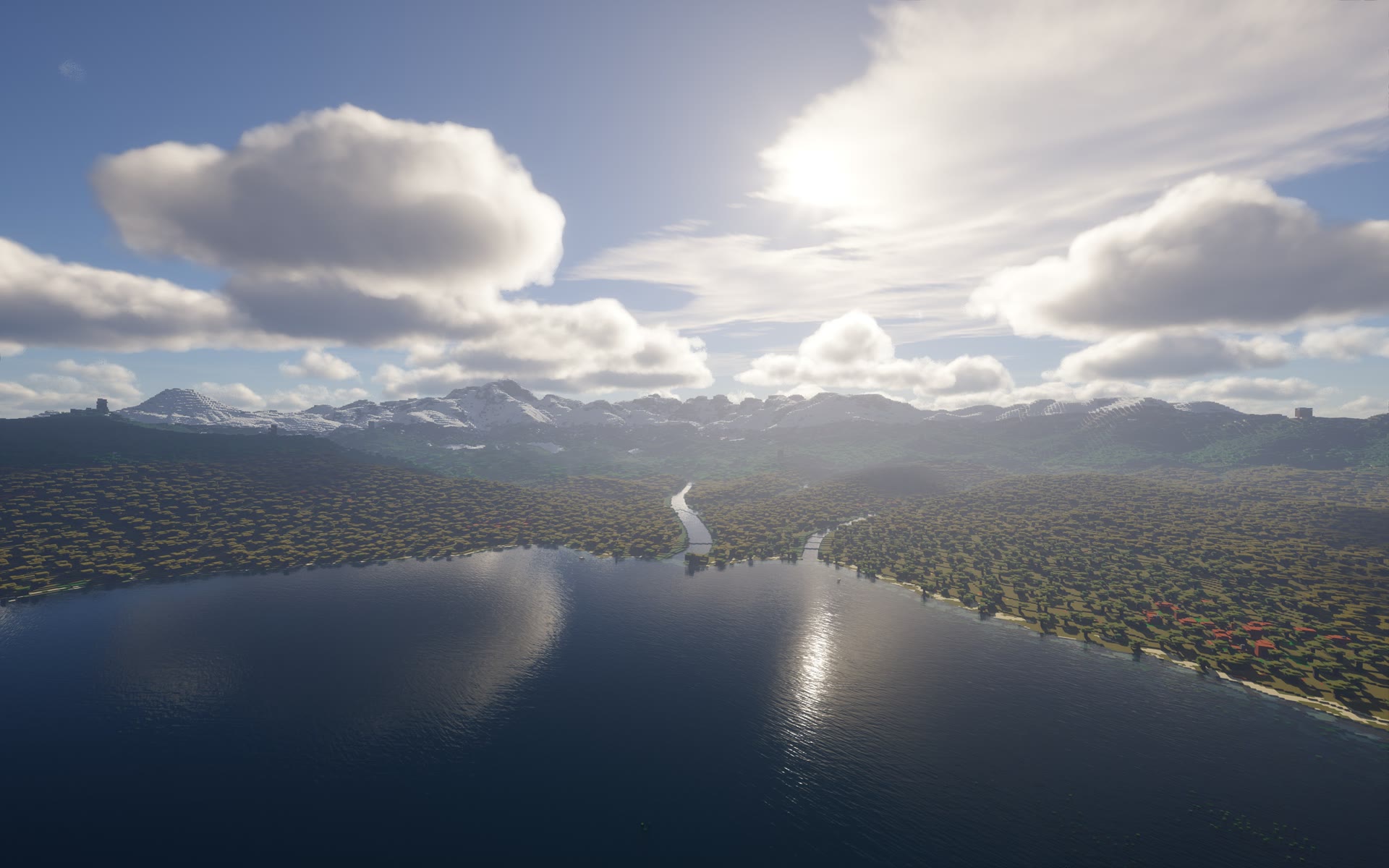
A geology mod that reshapes world generation with realistic plate tectonics and aims to make the world feel geologically real.
Forge 1.20.1 · NeoForge 1.21.1 · no required mods · Wiki
New in 0.12.0-beta.1: the new Relief world at a 1:10 scale, Yellowstone and its super-eruption, new eruption styles, many new kinds of hot springs, geothermal heating and farming on volcanic soil. 0.12 comes to Forge first, and the NeoForge version follows soon. This is a beta, so if something goes wrong, please tell us on GitHub. Full changelog
A world built by plates
The new default world type, FT's Geology (Relief), is 960 blocks tall and built fully at a 1:10 scale, so one block is ten metres both across and up. Its mountain belts are up to 90 km wide, that is 9,000 blocks, and they take their realism from the elevation data of real mountain ranges while still leaving room for fun. The plates in Relief are also wider than in the Tall world. For geological beauty the mod adds geysers, Yellowstone-style hot springs, volcanoes and alluvial plains too.
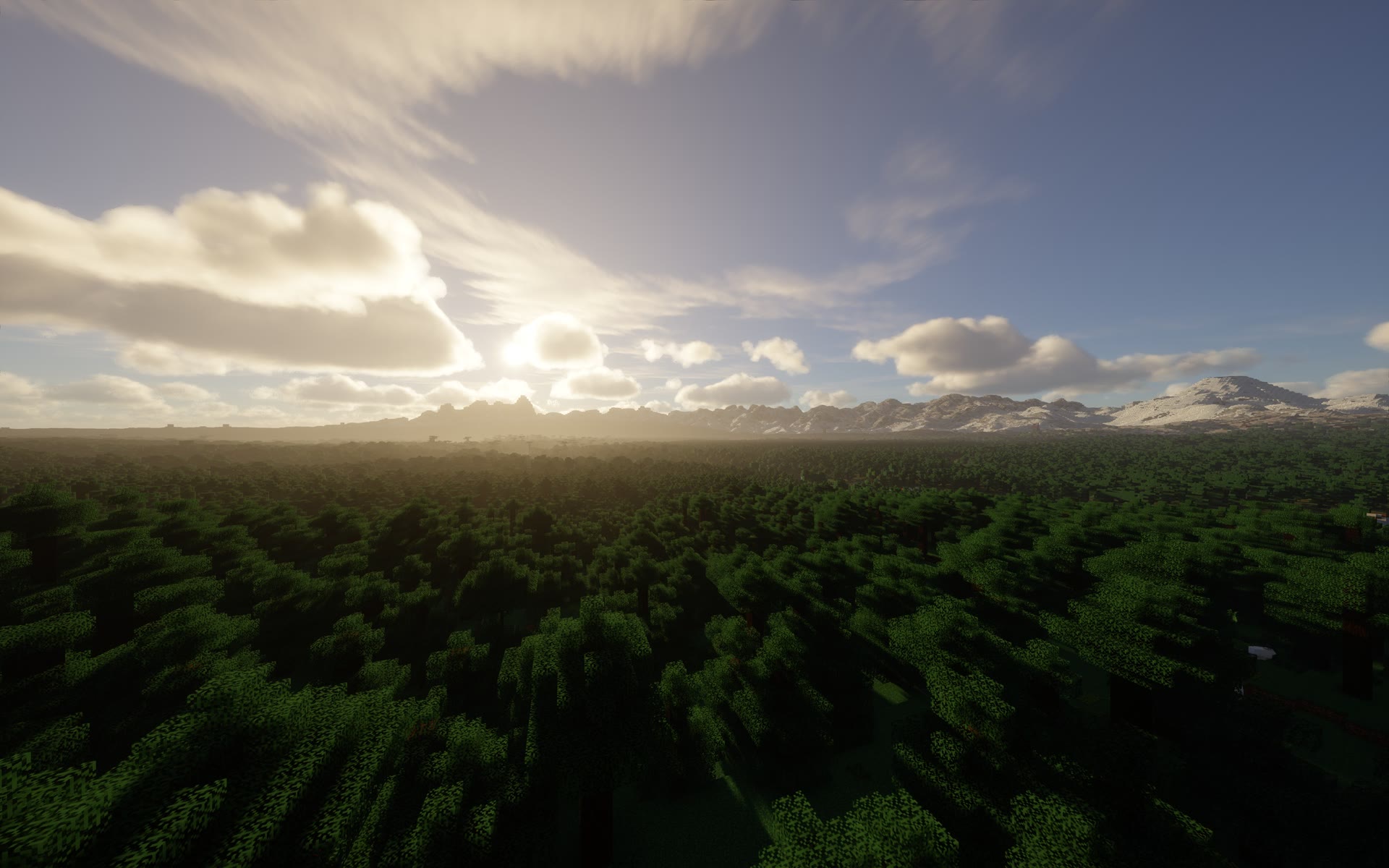
- Real mountains: ranges built from the elevation data of the Alps, the Himalayas and others, with one Everest, one K2 and one Matterhorn
- Rock layers laid out by plate setting, and ore deposits in their geological places
- Oil and gas fields
- Works well with Terralith and other TerraBlender biome mods such as Biomes O' Plenty: their biomes grow on the mod's terrain
The older FT's Geology world with vanilla height and FT's Geology (Tall) are still in the list. If Tectonic or TerraFirmaCraft is installed, the mod does not take over the default world, but you can still pick the mod's world under World Type when you create a world.
The mod's terrain needs a new world. In older worlds the earthquakes, volcanoes, weather and instruments still work.
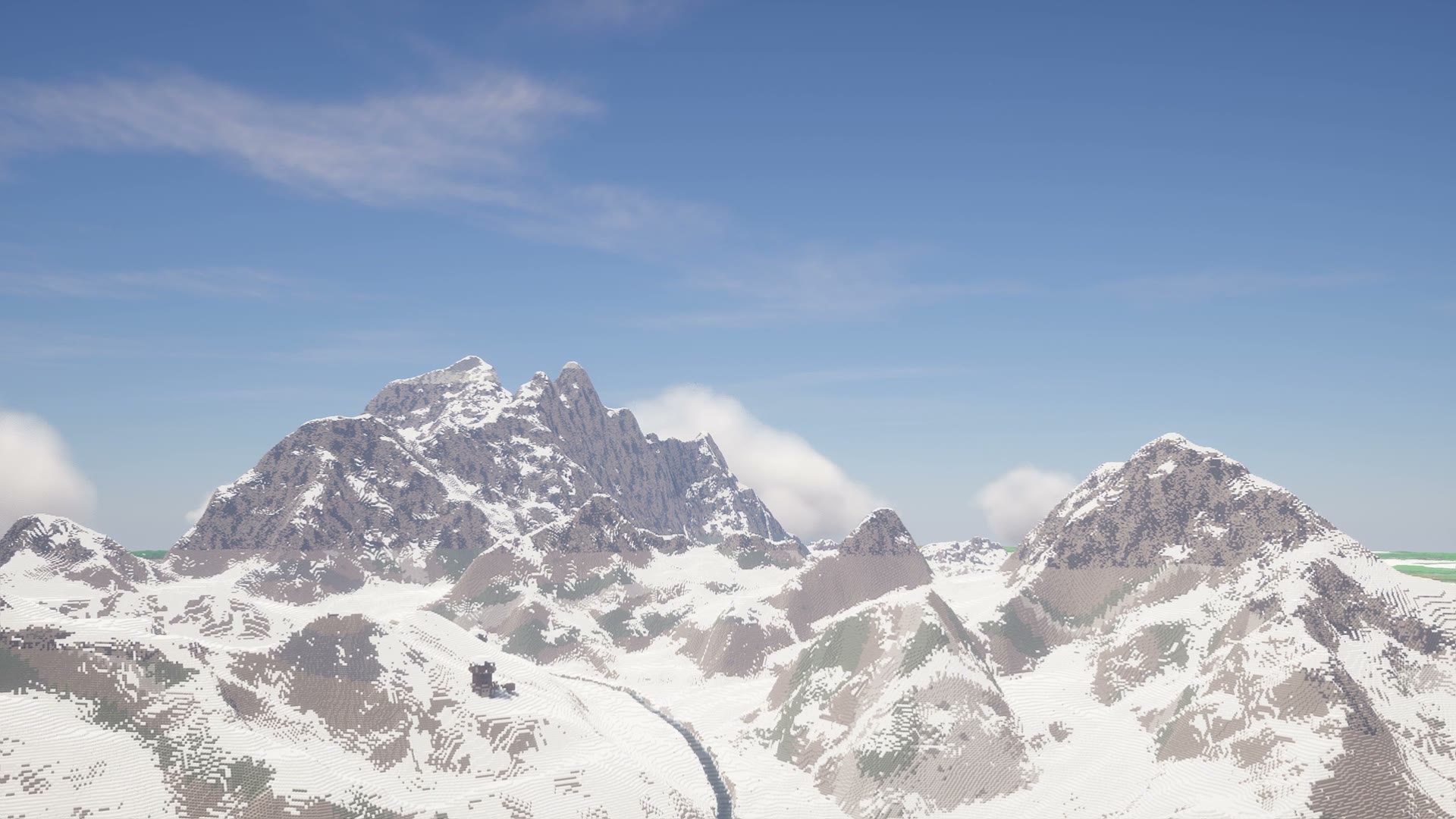
Earthquakes
The mod adds rift, subduction, collision and transform faults along the plate boundaries, and the earthquakes come from these faults: each stretch of a fault builds up strain and breaks in its own time. For realism, earthquakes are now half as frequent as before.
- Earthquakes can wake a sleeping volcano, open new hot springs and change the rhythm of geysers
- A big one can damage player builds hundreds or even thousands of blocks away; how badly depends on what a building is made of and what it stands on
- Wet sandy ground liquefies and steep slopes slide
- To protect your house, you can build a seismic isolator and place it under your building. The shaking does not break what stands on it, and if a fault slips right under it, the whole building moves as one piece
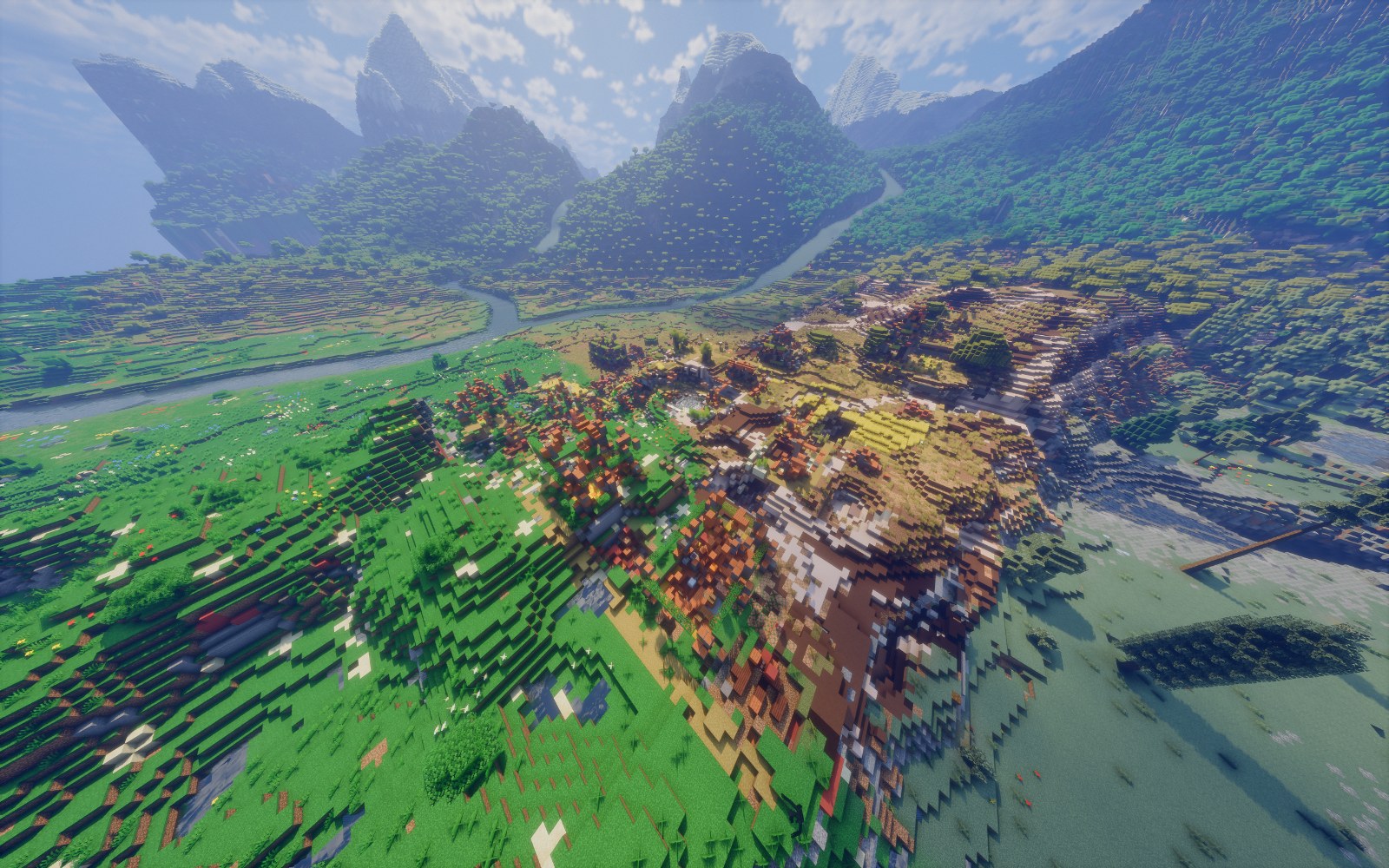
Volcanoes
4 volcano types (stratovolcano, fissure, caldera and shield), each in 3 sizes and 3 states: active, dormant and extinct. We also have Mt. St. Helens style stratovolcanoes with a collapsed side, stratovolcanoes on rifts, dormant craters and small cinder cones on the flanks of the big volcanoes.
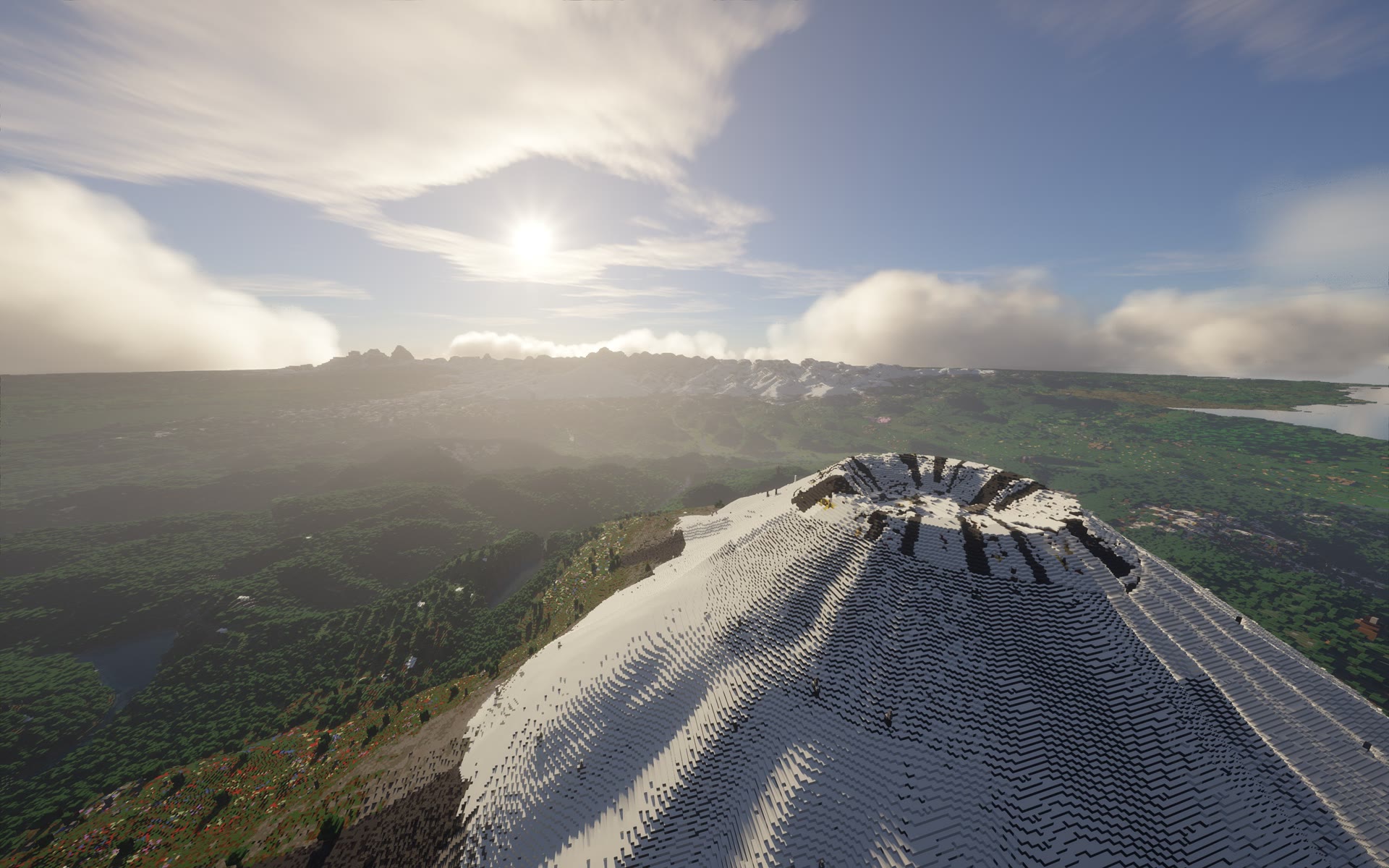
With the new eruption styles, volcanism is much more detailed now:
- Hawaiian: lava fountains all through the eruption, with very little ash
- Strombolian: each blast throws 5 to 20 volcanic bombs a few tens of blocks away
- Vulcanian: seen on fairly large stratovolcanoes, it sends up a dark ash column and throws 4 to 10 bombs a few hundred blocks away
And more:
- Minutes before it erupts, a volcano warns you with swarms of small quakes, ash puffs from the crater and steam from its fumaroles
- Eruptions bring lava, volcanic bombs, pyroclastic flows (clouds of hot ash and gas racing down the slopes), volcanic gas and ashfall, which buries crops and can bring down a roof it piles up on
- On rifts, fissures hundreds of blocks long open up, as they do in Iceland
- Eruptions can now be seen from much farther away and work with Distant Horizons. If they cost you frames, there is a quality setting in Mods > FT's Geology > Config > Eruptions
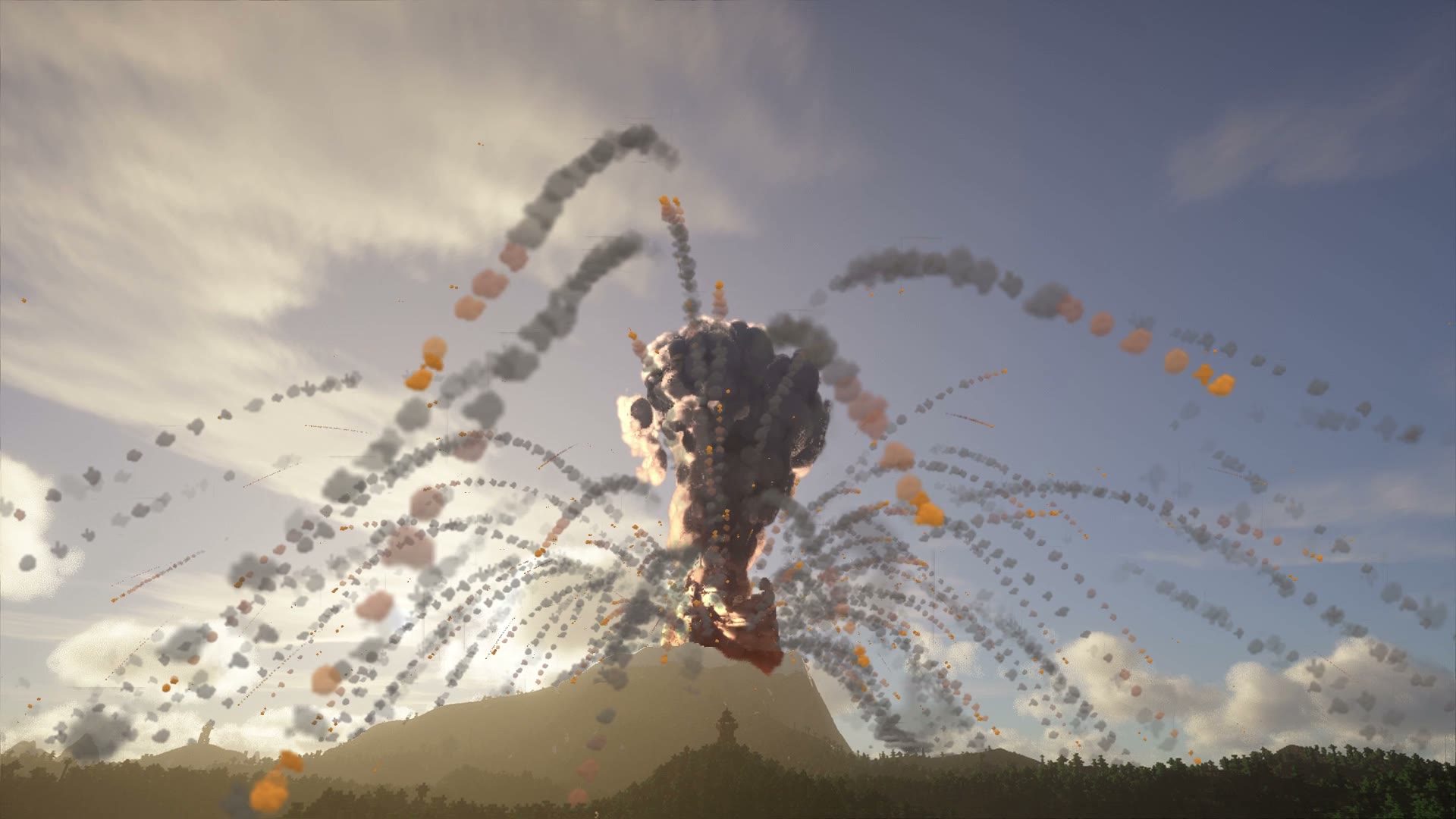
Yellowstone
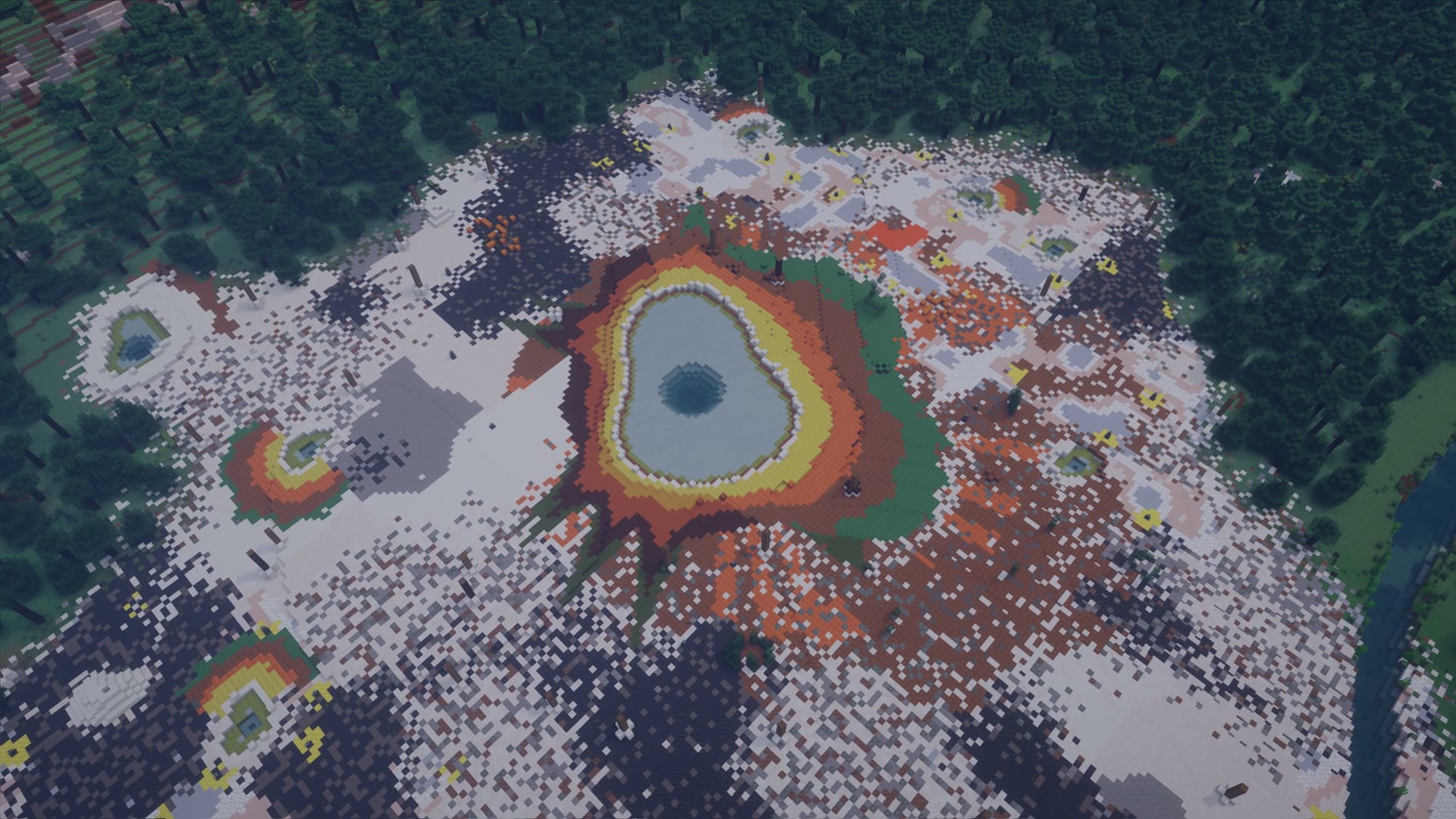
The new Yellowstone is a real caldera, and it is waiting to erupt! With its geysers, travertine terraces, hot springs, rivers and nature, Old Faithful and Grand Prismatic among them, it is a fascinating place, but who can be sure the giant won't wake up?
The Yellowstone eruption is off by default. You can turn it on in the config with yellowstoneEruptions, and then it erupts once, somewhere between day 60 and day 200. Before that it gives itself away with earthquakes, sinking ground, geysers that erupt more and more often, and small lava fountains. The eruption changes the world for good:
- It starts a 3-year volcanic winter, which also works with Serene Seasons
- The ground at the centre of the eruption collapses
- Everything the pyroclastic flows reach burns down to ash
- Ash falls over the world
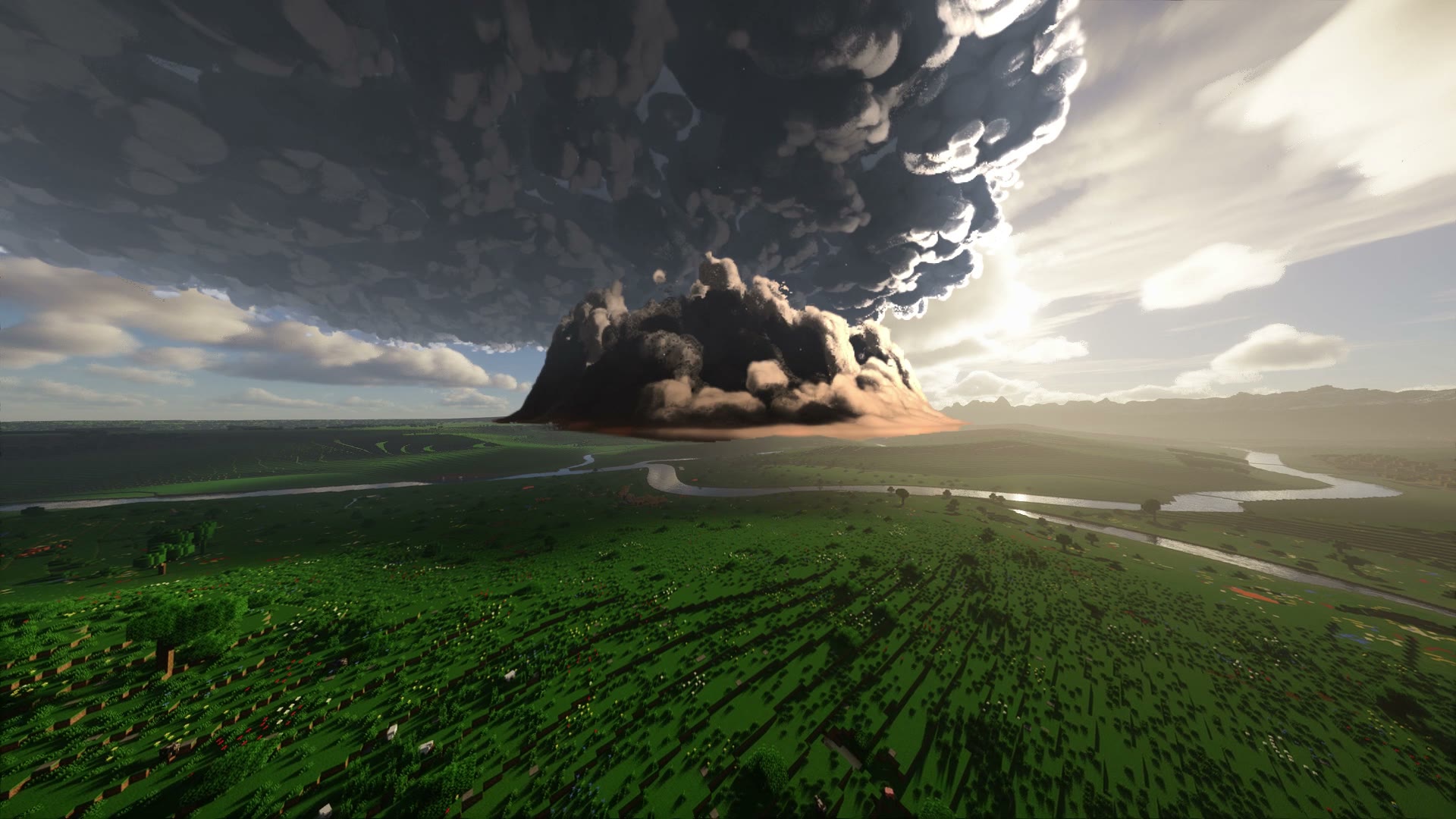
Plinian eruptions of the large stratovolcanoes are off by default too. You can turn them on and set how often they happen in the config with stratoPlinianChance. They also change the world: they bring a shorter volcanic winter, everything the pyroclastic flows reach burns to ash, and the top of the cone blows off, so the volcano ends up lower. You only need to load a large stratovolcano once: its clock keeps running after you leave, and you can see its eruption even from 3,000 blocks away.
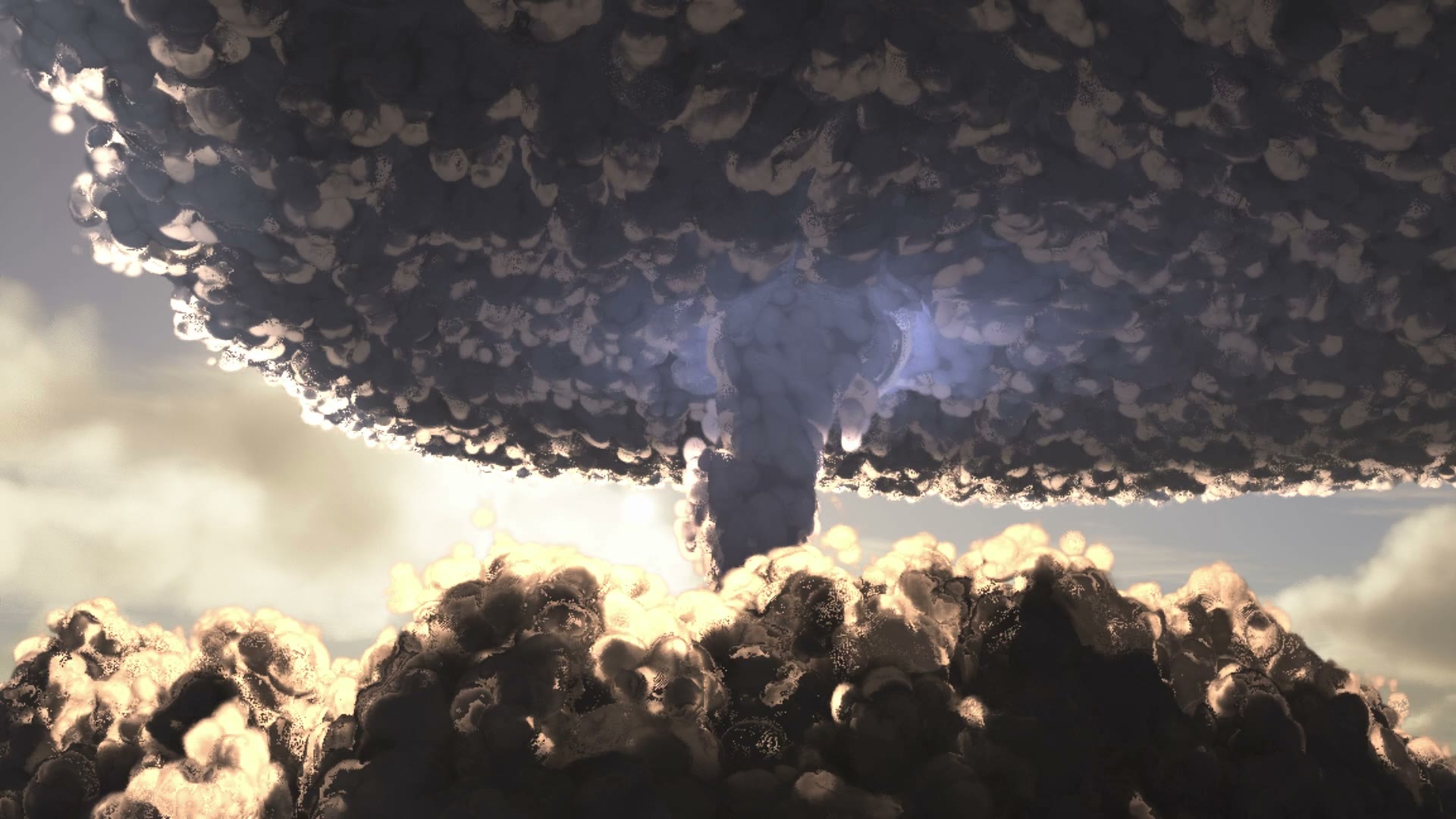
Hot springs
There are now many different kinds of hot springs, and each one forms where the ground suits it: sinter pools in silica basins, travertine terraces on limestone, mud pots and acid sulfur pools. Stay in one for a while and it gives you its own effects. You can also cook your raw food in them, and with Serene Seasons the fields near a hot spring keep growing even in winter.
Farming on volcanic ground
Volcanic soil now makes crops grow up to 3 times faster, and volcanic ash works like bone meal. But fresh ash falling straight onto a field halves its growth.
You can also build like the Romans: pozzolana from volcanic ash, lime and gravel make Roman concrete, which sets even underwater and holds up better against earthquakes and blasts.
Ore bodies
Big ore bodies reach the surface in the mountains: porphyry copper with a rusty cap stained green and blue, and white gold-bearing quartz reefs. You find them on bare rock, and you can follow the pieces streams carry down, or the gold in their gravel, up to the body. The hammer tells you which way the richest ore lies and how deep, a core drill gives its thickness and grade, and the new gold pan finds the gold in stream gravel and tells you which way the reef lies.
Vanilla ores also take the look of the rock they sit in, and coal forms where it should: in the basins and lowlands, not in the mountain cores.
Rivers and water
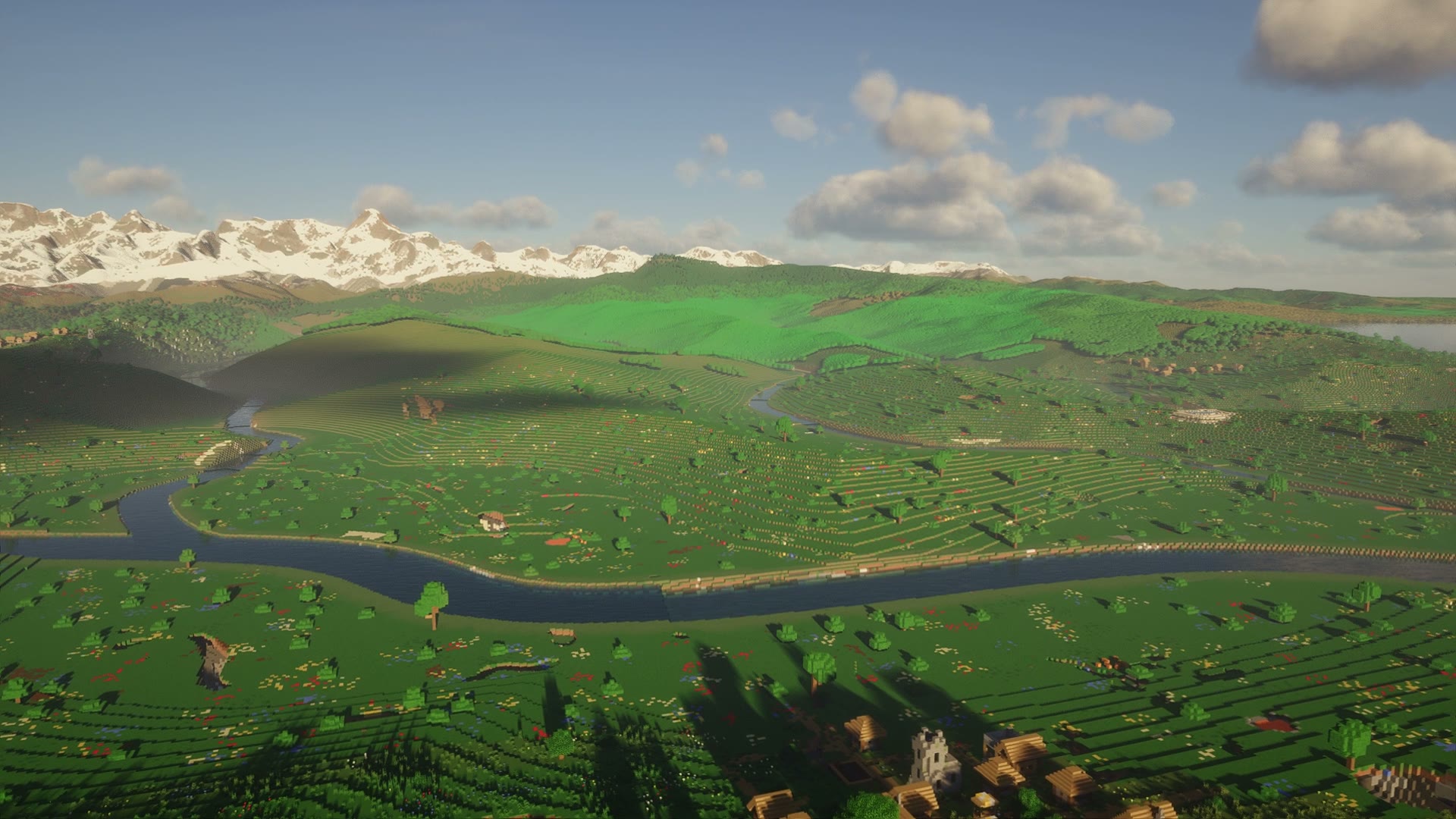
Instead of vanilla rivers, the mod brings a more realistic river system built from height, flow and the land itself.
- A river starts as a small stream and grows into a big river as its branches join, or merges with other rivers, and every river reaches a lake or the sea
- For a natural look, slow rivers take a wide U-shaped bed and fast ones a V, and side rivers join at a slant instead of a right angle
- Rivers can rise from springs or from under the ice tongues of mountain glaciers, and on limestone they can sink into a swallow hole and carry on through a cave
- River water is its own block, but it behaves like vanilla water and works with Create and many other tech mods
The mod also adds a water system:
- Soil soaks up rain and dries out in the sun and under plants, and the colour of the grass shows how wet the ground is
- You can pump groundwater with a well pump, but pump too much and the water table drops: springs and small streams dry up, clay plains sink, and sinkholes open in limestone country
- You can dam a river, but a thin dam will break
- Sea water is salty and does not water crops
Weather
Rain no longer falls everywhere at once; it comes with storms that drift with the wind. There are three kinds:
- showers that pass within an hour
- fronts that rain for most of a day
- broad rains that hang on for days in a wet spell
How much rain a place gets depends on its climate: slopes facing the wind are wet and the land behind them is dry. It works with Serene Seasons, so rainfall and river levels change with the seasons. With the FT's Geology: Feel the Nature addon you can also hear the rain and wind in realistic sound.
Gases
To show what geology does, the mod has a gas system too.
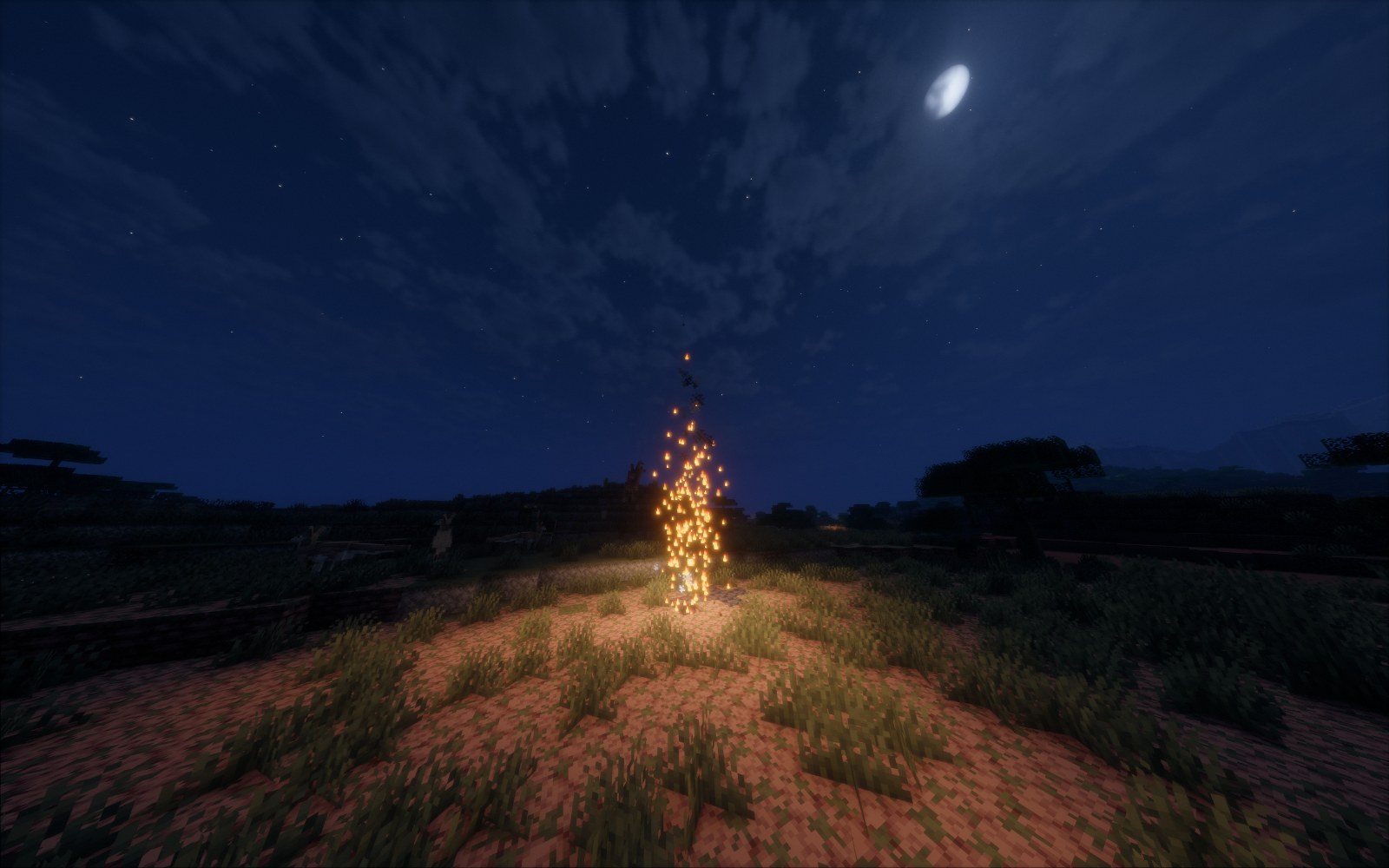
- Firedamp (methane) gathers in the voids next to coal seams, and you can guess what happens when you strike a flint and steel :)
- Carbon dioxide pools in volcanic craters, hollows and limestone caves and will suffocate you
- Oil fields hold natural gas above the oil, and some hold toxic hydrogen sulfide
But gases are not only there to cause trouble: you can build an electrolyser, store hydrogen and burn it as furnace fuel, turn it into FE with a gas engine if you play with tech mods, or keep warm with a gas heater if you play with Tough As Nails. Along with hydrogen there are nine gases in all, including methane, carbon dioxide, carbon monoxide, hydrogen sulfide and sulfur dioxide.
Instruments and power
Geologist's hammer, field notebook, gold pan, fault compass, core drill, geothermal probe, geological map, seismograph, weather station and volcano observatory.
- The seismograph records quakes thousands of blocks away, and the terminal shows which station picked a quake up first
- The hammer tells you the rock type and the layers beneath, and leads you from ore minerals to the deposit nearby
- There is now a field notebook that keeps the rocks you strike with the hammer, your finds and the earthquakes you feel
- The weather station gives a three-day forecast
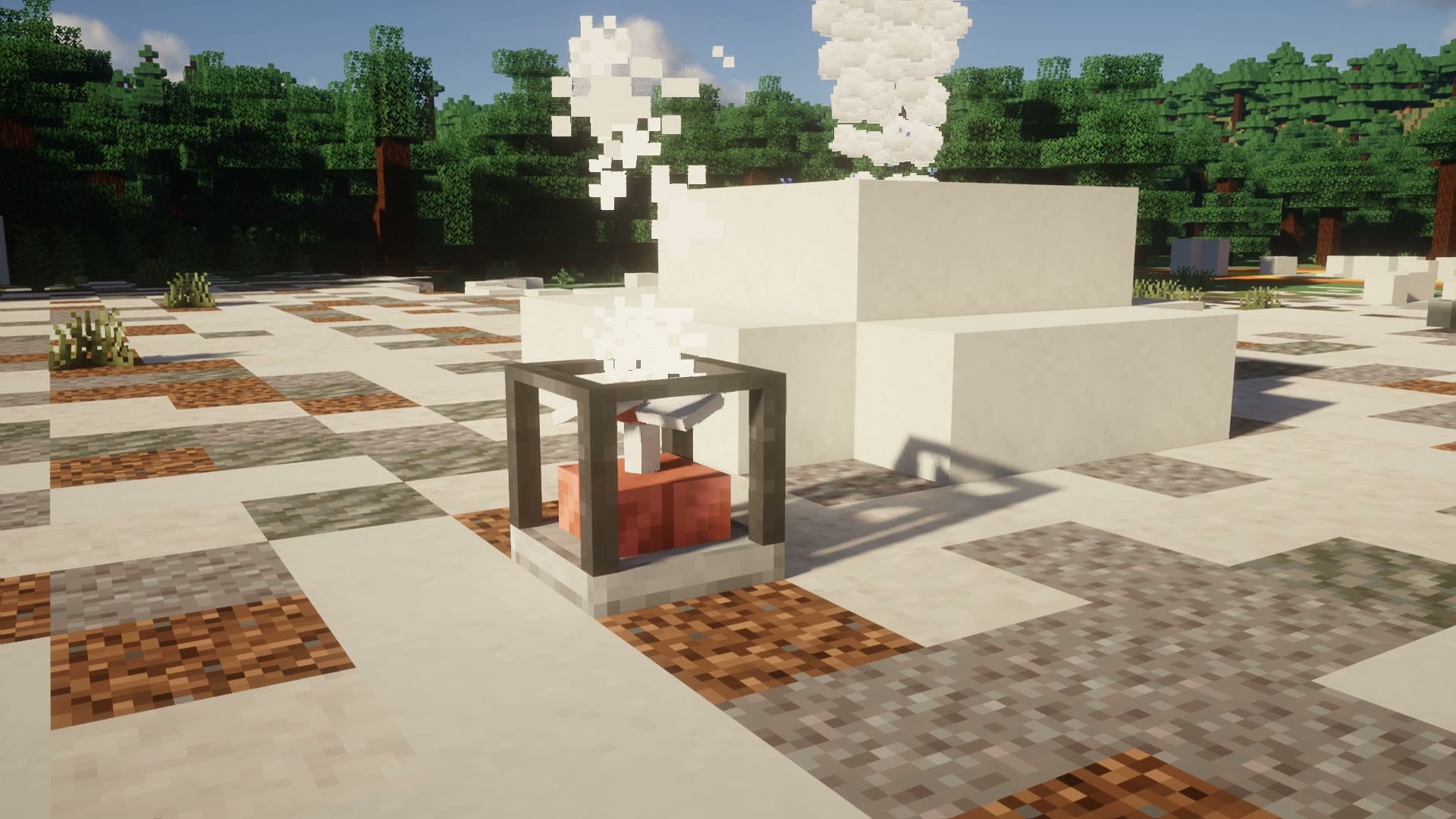
- So you don't freeze in Tough As Nails, you can now use geothermal energy: take heat from a geyser or a hot spring with a heat exchanger, carry it through copper pipes to radiators and warm up by them. With Serene Seasons this also keeps your crops growing at normal speed in winter
- If you play with tech mods, a geothermal turbine makes FE from a geyser or from a well drilled down into a hot spring, and the bigger the geyser, the more power it gives. With Create 6, a crankshaft on the turbine or on the gas engine gives mechanical power
There is also a 56-page in-game field guide and 22 advancements.
Optional settings
These are off by default; turn them on in the server config if you want them:
yellowstoneEruptions: Yellowstone erupts by itself, once, between day 60 and day 200stratoPlinianChance: large stratovolcanoes sometimes wake up for a Plinian eruption, and the number sets how oftenriverFloods: heavy rain on soaked ground makes rivers floodrainPondsInHollows: rain that the soaked ground cannot take in gathers as ponds in hollowssoilWaterChangesGround: droughts change the ground too. Grass dies back in a long drought, a field away from water stays moist while its soil is wet, and soil soaks up water you pour on it.emergentEnabled: player-built geysers. Water over rock over lava turns into a live geyser, which can blow up a base.
The ore bodies, the rock-specific ores and the new coal placement are on by default and can be turned off with oreOutcrops, rockOres and coalWhereItForms.
Your own settings (river foam, leaves on the rivers, storm clouds and the Eruptions page) are in Mods > FT's Geology > Config. If the rivers cost you frames, turn off the foam and the leaves first. If eruptions cost you frames, pick Performance on the Eruptions page.
Compatibility
Works with Terralith, Biomes O' Plenty and other TerraBlender mods, Distant Horizons, Create, Electrodynamics, Serene Seasons, Tough As Nails, Chunky, C2ME and Oculus, and we tested it with the iterationT and Complementary shader packs.
Links
- Wiki
- Bug reports
- Source code (GPL-3.0)
Project description from CurseForge.
Pick your setup
FT's Geology by Minecraft version and loader
Choose the version and loader you play, then open the matching release.
Minecraft version
1.20.1
1 loader buildCheck the dependencies, then try the file in a copied instance before changing a world you care about.
Recent files
FT's Geology versions and loaders
fts-geology-0.12.0-beta.1
fts-geology-0.12.0-beta.1.jar
28 Nov 2026
Client Source doesn’t say Server Source doesn’t say Dependencies No extras listed Listed on Release listing
Check the 1.20.1 · Forge setup 1.20.1Forge release
fts-geology-1.21.1-neoforge-0.11.3.jar
14 Oct 2026
Client Source doesn’t say Server Source doesn’t say Dependencies No extras listed Listed on Release listing
Check the 1.21.1 · NeoForge setup 1.21.1NeoForge release
fts-geology-0.11.3.jar
14 Oct 2026
Client Source doesn’t say Server Source doesn’t say Dependencies No extras listed Listed on Release listing
Check the 1.20.1 · Forge setup 1.20.1Forge release
fts-geology-0.11.0.jar
10 Oct 2026
Client Source doesn’t say Server Source doesn’t say Dependencies No extras listed Listed on Release listing
Check the 1.20.1 · Forge setup 1.20.1Forge release
fts-geology-0.10-neoforge-1.21.1.jar
fts-geology-0.9.10-neoforge-1.21.1.jar
5 Sept 2026
Client Source doesn’t say Server Source doesn’t say Dependencies No extras listed Listed on Release listing
Check the 1.21.1 · NeoForge setup 1.21.1NeoForge release
fts-geology-0.10.0-alpha.jar
5 Sept 2026
Client Source doesn’t say Server Source doesn’t say Dependencies No extras listed Listed on Release listing
Check the 1.20.1 · Forge setup 1.20.1Forge release
fts-geology-0.9.2-alpha.jar
3 Sept 2026
Client Source doesn’t say Server Source doesn’t say Dependencies No extras listed Listed on Release listing
Check the 1.20.1 · Forge setup 1.20.1Forge release
Looking for an older file? The official CurseForge project page is in Resources.
 mod
CurseForge · Minecraft
Danny's AOT
Attack on Titan mod with titan shifting, advanced ODM mechanics and much more
 mod
CurseForge · Minecraft
Cobblemon : Just Enough Fusions
Fuse, evolve, battle, regret. Infinite Fusion comes to Cobblemon with rifts, titans and a Nuzlocke mode.
 mod
CurseForge + Modrinth · Minecraft
Plague's Chat Timestamps
A Minecraft mod that adds customizable timestamps to chat!